What is defensible space, and how much do I need?
CalFire’s guidance splits the area around a home into zones, measured out from the house:
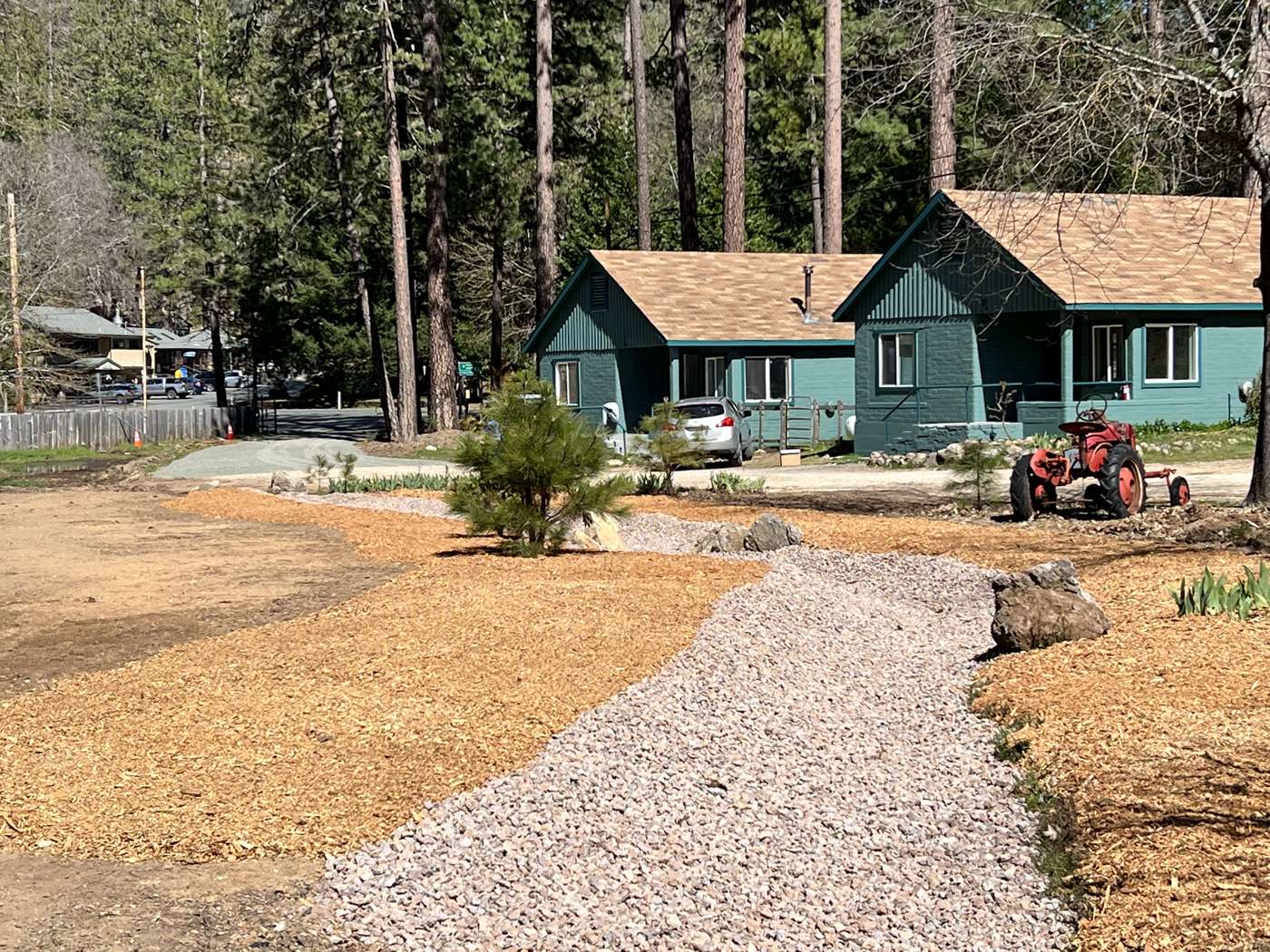
- 0 to 5 feet. The area right against the house, where embers land. Keep it free of anything that burns easily: dead leaves and needles, woody plants, firewood piles, bark mulch against the walls.
- 5 to 100 feet. Thin out the fuel so a fire on the ground cannot climb into the trees or run to the house. Remove dead plants, trees and branches, cut back brush, space out shrubs and trees, and trim tree limbs up off the ground.
On a steep lot or in heavy brush, the work can reach farther out. The details of the rules change from time to time, so check CalFire’s current guidance and the County of Lake for what applies to your property. We do the clearing so your place meets it.
Why fire clearing matters so much here
R2 was born out of fire. The 2015 Valley Fire burned through Cobb Mountain and left the forest covered in dead trees and logs, and then the bark beetles came. In 2022, about seven years after the fire, Robert was asked to assist in operating a CalFire pilot program burning beetle-kill pine logs in an air curtain incinerator, and he spent those long days thinking about better ways to handle all that wood. That is where R2’s way of working comes from.
Ten years later there are still dead trees, beetle-killed pines and brush that grew back thick after the fire on a lot of properties. Michelle M. wrote: “My mom’s property was extremely overgrown after the fires. Their hard work made it shine!” Everyone up here has lived through at least one fire season with smoke on the horizon. Getting the fuel away from your house is the most practical thing you can do about it.
What fire safety clearing includes
- Limbing up trees. Cutting the lower branches so there is a gap between the ground and the canopy. A ground fire then has a much harder time climbing into the trees.
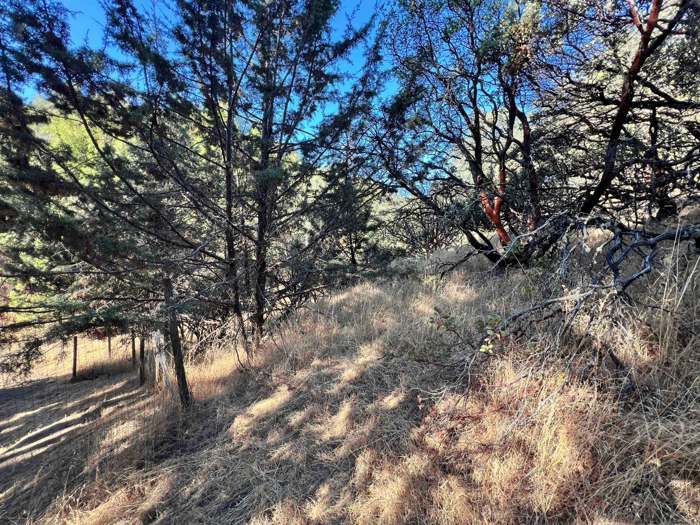
- Cutting back brush. Manzanita, scrub and overgrowth cut down and thinned out, especially near the house and along the drive.
- Taking out dead trees. Dead pines and fire-killed trees close to buildings. See tree removal.
- Branches off the roof. Limbs over and near the house cut back, so embers have less to catch on. See tree trimming.
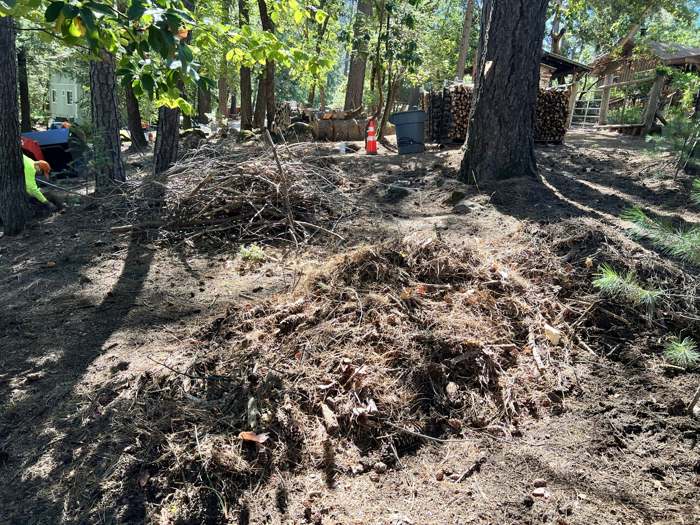
- Chipping everything. Brush and limbs go through our tracked chipper instead of into a burn pile.
- Raking and cleanup. The small debris, needles and twigs raked up and cleared.
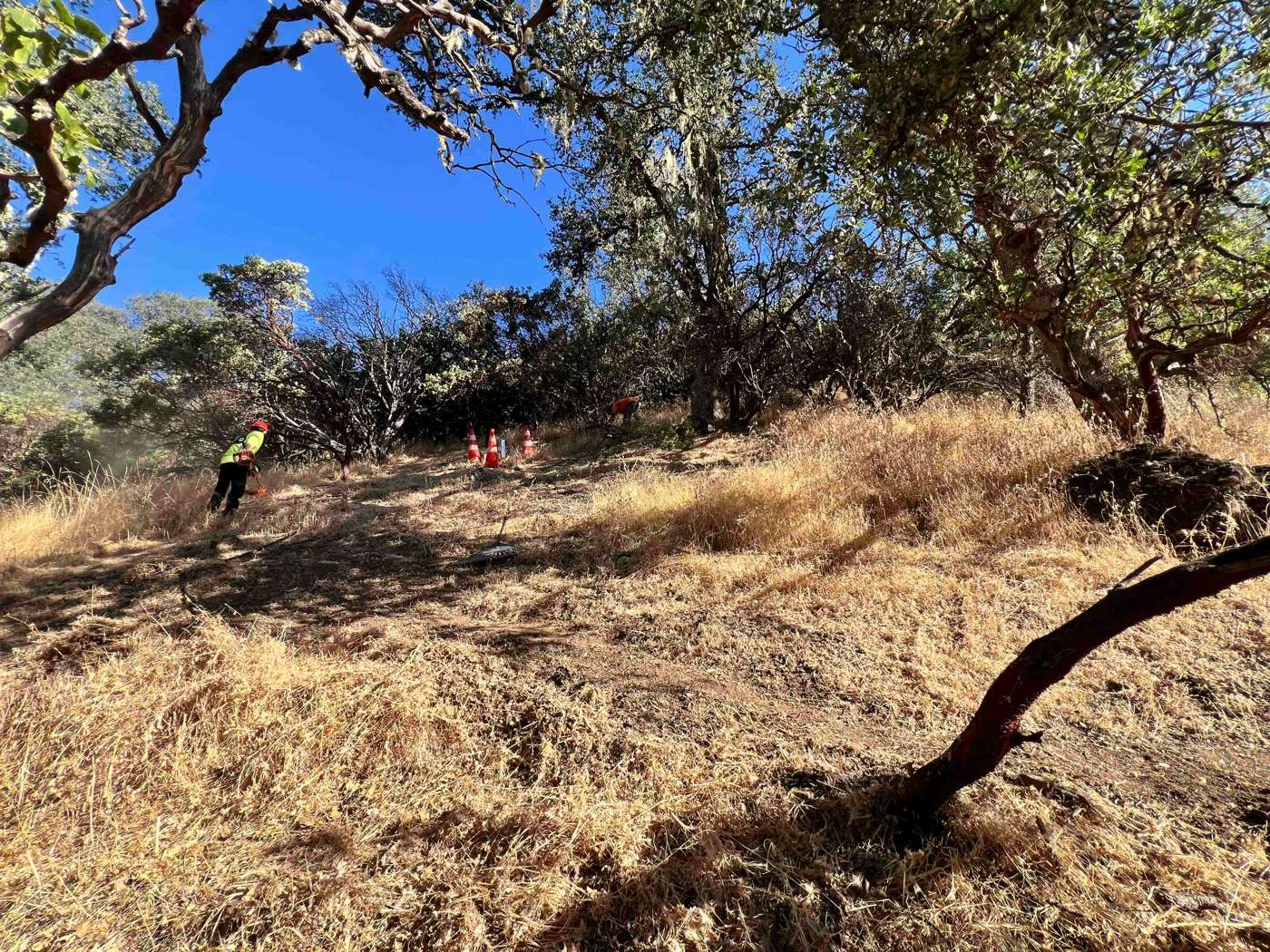
- Weed whacking and mowing. Tall dry grass cut down across the lot.
Jody described a full day of it: “Limbing up trees and cutting back brush and chipping ALL of it. That mighty chipping machine - amazing! Then they raked and cleaned up all the small debris.” (Jody, August 2024).
How a clearing job goes
1. Walk the property. Robert walks it with you and marks what stays and what goes. You will not lose a tree you love because someone got carried away.
2. The crew works through it. Saws, the lift for high limbs, and the chipper running behind them. A crew can move through a lot of ground in a day. The Laughing Man Institute had “the 1/2 acre of hilly, rocky ground” cleared “in 3-1/2 hours,” and Rose S. called the amount R2’s crew cleared in 6 hours “astonishing.”
3. Cleanup. Everything chipped or hauled, raked, and left neat. “Looks manicured,” that same review said.
Most people want this done in spring and early summer, before fire season. Mary C. “needed 2 lots cleared to prepare for fire season” and wrote, “Before I knew they had started they were done!” Call early in the year if you can.


What moves the price of defensible space work?
- Size of the area. How far out from the house we are clearing.
- How thick it is. Light grass and a few low limbs, or years of brush and dead trees.
- Slope and ground. Steep, rocky ground is slower to work by hand.
- Dead trees. Any trees that have to come down add to the job.
- What happens to the material. Chipped and spread on site, or hauled away.
We look at it first and you get the price before work starts. Reviews call it “reasonable cost” and “great fire prevention work.”
Community work, not just one yard
R2 has done defensible space work through county programs as well as for private owners, and has cleared lots for neighbors who could not do it themselves. David T. wrote that Robert “did a terrific job of clearing the property of an elderly neighbor who was unable to do it herself.” A cleared lot protects the houses around it too.
And the brush does not go up in smoke. Chips from fire clearing become wood mulch that holds moisture in the soil and keeps the ground from washing away. As Jody put it, R2 is “A fantastic crew who truly believe in caring for this earth.”
Signs your property needs clearing
- Dead pines or other dead trees within reach of the house.
- Tree limbs low enough to touch the brush or grass under them.
- Branches over the roof, or needles piling up on the roof and in the gutters.
- Brush that grew back thick after a fire, or a lot nobody has cleared in years.
- A letter from your insurance company or a fire inspector about clearance.
If any of these sound like your place, call or text and we will come look.